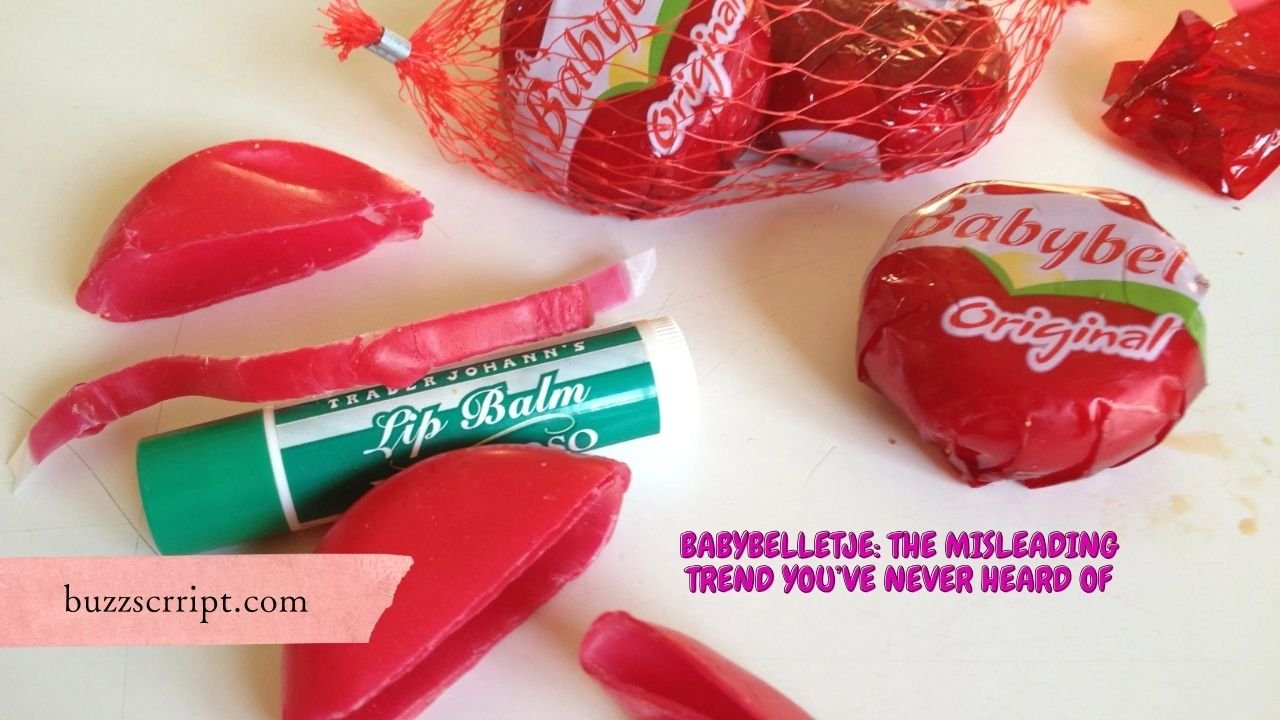
Babybelletje refers to a recent online buzzword that appears catchy but lacks a clear meaning or legitimate origin. It is often used in misleading posts, clickbait articles, or low-quality content to attract attention without offering real value.
The trend confuses users, spreads vague information, and serves mostly as a keyword tactic rather than a genuine concept.
The Sudden Buzz Around Babybelletje
The word Babybelletje appeared everywhere overnight. Many blogs claimed it was a “soft-girl trend.” But the idea had no real background. It spread fast because of click-bait headlines. Users became confused because nothing matched real online activity.
A Simple Word Turned Into a “Trend”
The term Babybelletje is just a normal Dutch word. But some websites changed it into something mysterious. They described pastel outfits and cute vibes. The problem is simple: none of it exists. It’s a made-up concept for attention.
Why the Meaning Got Twisted?
Writers twisted the meaning for easy traffic. They used cozy words to attract young readers. The descriptions were vague but emotional. This trick helps blogs rank on search engines. Readers think they missed a new aesthetic.
Read This Blog Also : StartupBooted Forex: Genuine Opportunity or Misleading Keyword?
What It Actually Means in Dutch?
In Dutch, Babybelletje means “little baby bell.” It sounds sweet. The word is used normally every day. There is no hidden symbolism. The online world simply reshaped it into something trendy.
The True Story Behind the Pregnancy Necklace
Many moms wear a baby bell necklace. It makes a soft sound that calms babies. This tradition is real and old. It has nothing to do with fashion trends. It’s simply a gentle cultural practice.
How Kids Use the Word for Cheese Snacks?
Children use babybelletje to ask for Mini Babybel cheese. It’s cute and short. Parents understand it instantly. Snacks become part of family moments. No trend, just everyday language.
How Fake Trends Spread So Quickly?
Fake trends spread because people share without checking. Blogs copy each other fast. Readers click out of curiosity. Algorithms push anything that looks popular. This creates an illusion of virality.
The Role of SEO in Fake Trends
SEO plays a big role in these tricks. Writers target low-competition words. They build long articles around them. Babybelletje was perfect for this. It let them earn money from ads easily.
Why Young Readers Get Misled?
Young readers love aesthetics. They like cute styles and soft themes. So they believe anything decorated with gentle words. Babybelletje fit that pattern. This makes fake trends feel real online.
Spotting Click-Bait With Simple Checks
Users can spot click-bait fast. Search the exact word on TikTok. If no real videos appear, it’s fake. Always check hashtags too. Real trends have millions of real posts.
The Real Baby Bell Necklace Still Matters
The true necklace tradition is meaningful. Moms use it for comfort. Babies recognize its sound.
How the Necklace Helps?
- Soft tones soothe babies
- Familiar sound after birth
- Creates bonding moments
What Parents Love?
- Gentle design
- Affordable price
- Sentimental value
The Cheese Version Stays Popular
Mini Babybel is a real snack. Kids enjoy it daily. It’s simple and tasty.
Why Kids Love It?
- Fun wax covering
- Easy to open
- Mild flavor
Why Parents Buy It?
- Good protein
- Small portions
- No mess
Read This Blog Also : StartupBooted Forex: Genuine Opportunity or Misleading Keyword?
Checking Authentic Trends Before Believing
Always confirm a trend. Look for real photos. See if people use it naturally.
Quick Verification Tips
- Search hashtags
- Look for old posts
- Avoid identical articles
Signs of Fake Trends
- No user photos
- Repeated wording
- OveBetter Alternatives to Fake Aesthetic Trends
Instead of fake ideas, explore real ones. Many styles already have communities. They offer real inspiration.
Real Trends Worth Trying
- Cottagecore
- Kidcore
- Hygge
Why These Work
- Long history
- Real creators
- True lifestyle value
The Truth Behind the Babybelletje Hype
There is no real hype. Just copied posts. Just ad-based motivation.
What Readers Should Know?
- Words get twisted
- Fake trends mislead
- Always check sources
Final Reality Check
- Babybelletje is simple
- No aesthetic exists
- Stay aware online
Frequently Asked Questions
What is “Babybelletje” really?
It’s a simple Dutch word meaning “little baby bell.” It refers to a pregnancy necklace or Mini Babybel cheese, not a real trend.
Is Babybelletje actually a soft-girl aesthetic?
No. The aesthetic was invented by click-bait blogs. There is no real community or social media trend.
Why did websites promote it as a trend?
They used it for SEO and ad revenue. A unique word with low competition brings easy traffic.
How can I check if a trend is fake?
Search it on TikTok, Instagram, and Pinterest. If there are no real posts or only new spam articles, the trend is fake.
Is the real baby bell necklace worth buying?
Yes. Many moms love it for calming babies. It’s a sweet tradition and has nothing to do with fake online trends.
Final Thoughts
Babybelletje was never a rising aesthetic or viral movement. It became “popular” only because blogs reused the same misleading idea to earn clicks. The real meaning of the word is simple, sweet, and connected to everyday Dutch life—not fashion trends or online hype.
By understanding how fake trends form, you can avoid confusion, save time, and focus on real communities and real creativity. Awareness is your best defense, and now you’re ahead of the click-bait curve.
I’m a tech enthusiast who simplifies complex topics into clear, helpful information. I create reliable guides and insights to help users stay updated in the fast-moving world of technology.