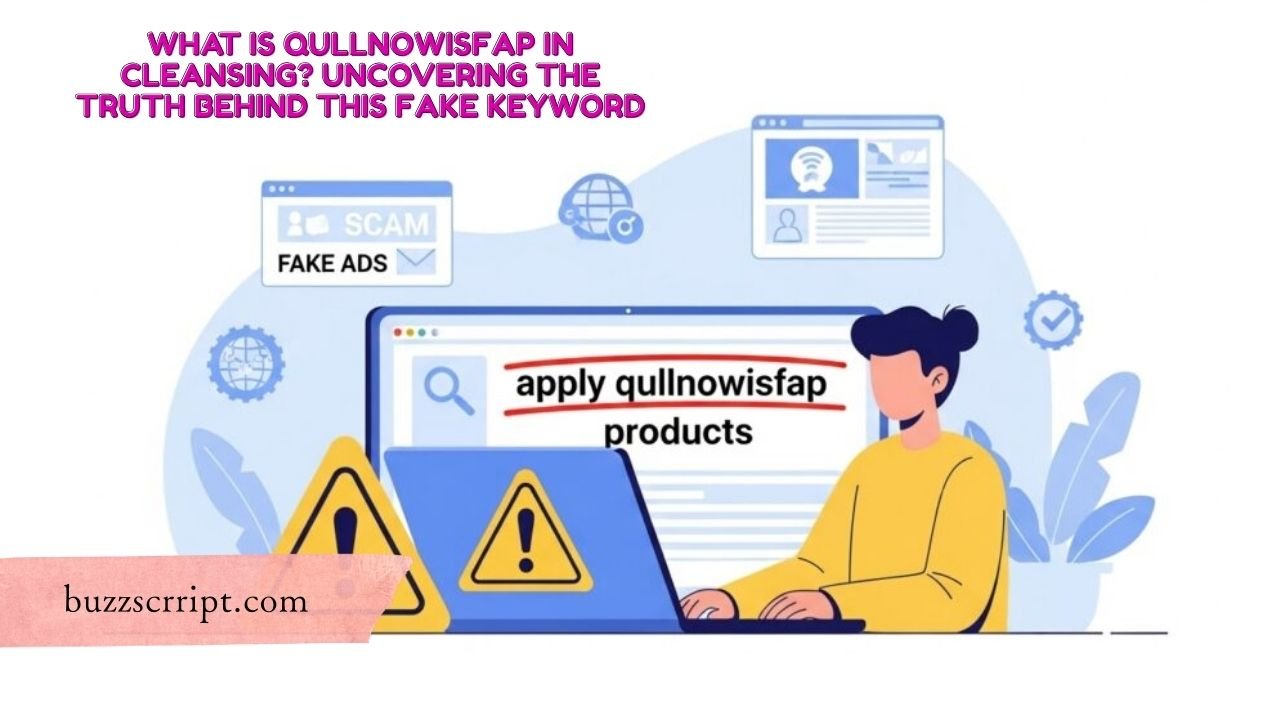
“Qullnowisfap” is a fake, generated keyword often seen in low-quality content meant to confuse readers or attract clicks. In the context of cleansing, it has no real meaning, no scientific basis, and no cultural roots.
Instead, it highlights how misleading terms can spread online. Understanding this helps readers separate real wellness practices from fabricated buzzwords created to exploit search trends.
Fake Keywords Confuse Wellness Learners
The rise of fake keywords like Qullnowisfap creates confusion. These terms look real but lack meaning. Many readers fall for them. Clear understanding protects you from misinformation.
Cleansing Practices Need Real Knowledge
Authentic cleansing practices come from real methods. Fake words dilute their value. Always verify facts before following trends. This keeps your wellness routine safe.
Digital Misinformation Spreads Fast
The internet spreads digital misinformation quickly. Fake terms go viral. People trust them without checking. Being aware protects your health decisions.
Search Engines Can Be Manipulated
Some creators target search engines with nonsense terms. Their goal is clicks, not truth. Qullnowisfap is an example. Always check reliable sources.
Wellness Trends Often Mislead
Millions follow wellness trends blindly. Fake keywords make it worse. They appear scientific but are empty. Understanding this helps you stay informed.
Online Buzzwords Disrupt Real Learning
Fake online buzzwords distract people from real practices. They bring confusion. They reduce trust in genuine information. Staying alert helps.
Health Content Needs Clarity
Quality health content requires accurate language. Fake words weaken it. Readers deserve clear explanations. Truth builds trust.
Read This Blog Also : Garforfans: Emerging Fan Platform or Misleading Online Hype?
SEO Tricks Create Empty Terms
Marketers use SEO tricks to generate random terms. These tricks mislead readers. Qullnowisfap is one such creation. Awareness ensures smarter browsing.
User Awareness Is Essential
Your awareness is your best tool. Fake keywords lose power when questioned. Think before believing. Smart reading reduces confusion.
Content Authenticity Matters
High-quality content authenticity is important. Fake terms lower credibility. Writers must stay responsible. Readers must stay sharp.
Misleading Terms Impact Understanding
Fake misleading terms disrupt learning in wellness topics. They hide real information. They promote confusion in simple concepts.
How They Spread
- Shared through viral posts
- Used by low-quality sites
- Appears in clickbait articles
Why They Appear
- To trick search engines
- To gain traffic quickly
- To create artificial trends
Fake Wellness Words Offer No Value
Terms like these promote fake wellness ideas. They lack science. They mislead beginners.
Signs of Fake Words
- No definition available
- No cultural or scientific roots
- Only found on spam pages
How to Avoid Them?
- Verify with trusted sources
- Compare with real practices
- Question unfamiliar terms
Read This Blog Also : Nerovet AI Dental: Real Deal or Just Big Talk?
Online Deception Tricks Curious Readers
Online deception uses fancy words to fool readers. Qullnowisfap is an example. It creates false authority.
Common Tactics
- Random word generators
- Fake expert claims
- Misleading thumbnails
How to Stay Safe?
- Rely on expert-backed content
- Avoid suspicious wellness claims
- Read from reputable platforms
Keyword Manipulation Creates Fake Trends
Some people use keyword manipulation to invent fake topics. These get quick attention. They confuse genuine learners.
Why Creators Do This
- For online visibility
- To exploit trending searches
- To gain ad revenue
How It Impacts Readers?
- Misleads beginners
- Damages trust in real guidance
- Causes misunderstanding
Critical Thinking Protects Your Wellness Journey
Using critical thinking helps you avoid false information. Fake terms lose meaning when questioned. Smart readers stay protected.
What You Should Do?
- Ask if the term is real
- Check credible sources
- Ignore meaningless buzzwords
Benefits of Awareness
- Better decisions
- Safer wellness practices
- Clearer understanding of real cleansing concepts
Frequently Asked Questions
What does “Qullnowisfap” mean?
It has no real meaning. It is a fake, generated keyword used to attract clicks or confuse readers.
Is Qullnowisfap related to cleansing?
No. It has no connection to any cleansing method, wellness practice, or scientific concept.
Why do fake keywords appear online?
They are created for SEO manipulation, traffic boosting, and misleading content strategies.
How can I identify fake wellness terms?
Check if the term appears on reliable sources, has a real definition, or has cultural/scientific roots.
Should I avoid content using such terms?
Yes. It’s better to rely on verified, expert-backed information to ensure safe and accurate learning.
Final Thoughts
Qullnowisfap is a clear reminder of how easily fake terms can spread online. Staying aware, questioning unfamiliar words, and relying on trusted sources helps you avoid confusion and focus on real wellness knowledge.
I’m a tech enthusiast who simplifies complex topics into clear, helpful information. I create reliable guides and insights to help users stay updated in the fast-moving world of technology.




![225+ Powerful Biblical Names for Girls (With Meanings) – Timeless, Beautiful & Faith-Filled [2026]](https://buzzscrript.com/wp-content/uploads/2026/03/225-Powerful-Biblical-Names-for-Girls-With-Meanings-–-Timeless-Beautiful-Faith-Filled-2026-150x150.jpg)